The Science of Carbon Activation: How Coconut Shells Transform into High-Performance Filters
An in-depth look at the thermal activation process that turns raw coconut shells into high-iodine activated carbon.
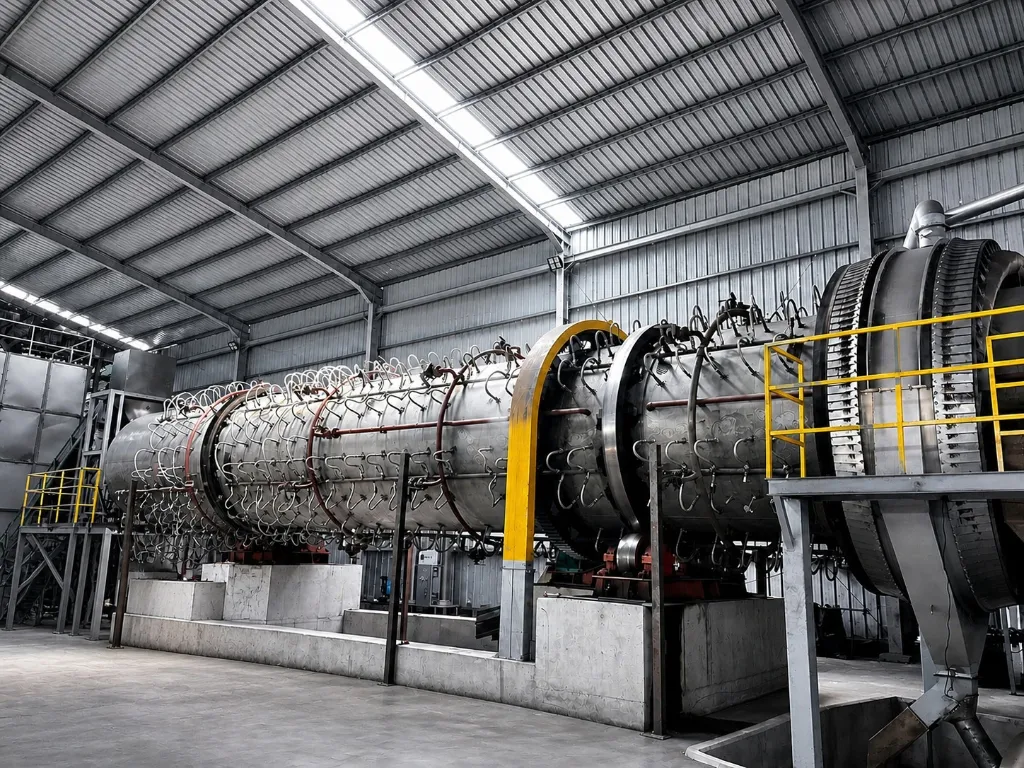
The transformation of coconut shells into activated carbon is a fascinating industrial process that relies on precise thermal control and physical activation. It begins with carbonization, where raw shells are heated in an oxygen-free environment to remove volatile components, leaving behind a carbon-rich char.
The Activation Phase
In the second stage, known as physical activation, the char is exposed to activating agents like steam or carbon dioxide at temperatures between 800°C and 1100°C. This process creates a vast network of sub-microscopic pores, providing the carbon with its immense surface area—often exceeding 1,000 square meters per gram.
This porous structure is what gives coconut shell carbon its superior adsorption properties, making it ideal for filtering organic contaminants and chlorine from water and air.